



Natural sounds and identity
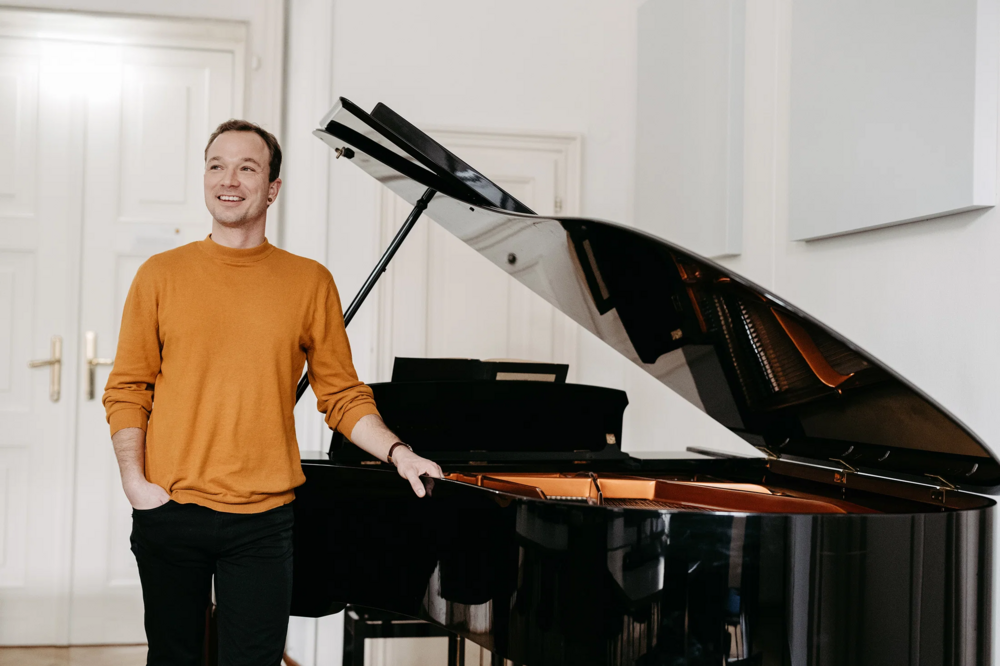
Music in the Palaeolithic era was pure nature – until Homo sapiens began carving flutes from bird bones around 40,000 years ago. Today, traffic, machinery and everyday life shape the soundscape. However, it is precisely the combination of natural and artificial sounds that has a special effect: it can help us relax, concentrate or foster a sense of identity. “Soundscapes make us more aware of what we perceive as worthy of protection. For many people, this effect is heightened when music and natural sounds are combined, for example a piano and raindrops,” says musicologist Joep Janssens. At the same time, his research shows that natural sounds have also been politically charged in the past – for example, in the romantic idealisation of the German forest, which later fostered nationalist ideologies.
To the Unizeit article (2026)
Images of nature through the ages
Since the earliest cave paintings—dating back around 50,000 years—fauna and flora have served as a source of inspiration for human creativity. Even early Homo sapiens produced artworks such as flutes made from swan bones or the “Lion Man” sculpture, which, according to art historian Rolbert Felfe, points to a “close interweaving of art with ritual practices.”
Over millennia, art has helped humans understand their place in the world and transcend mortality, for example through portraits. From the late Middle Ages onward, careful observation of nature gained importance, especially for medicine and science. Drawings, printmaking techniques, and nature printing enabled precise knowledge long before the advent of photography. In the modern era, nature is increasingly understood as a space shaped by human activity. Today, artistic engagement ranges from gentle design interventions to BioArt, which deliberately intervenes in living systems.
To the Unizeit-article (2026)