Erotics from the Middle Ages
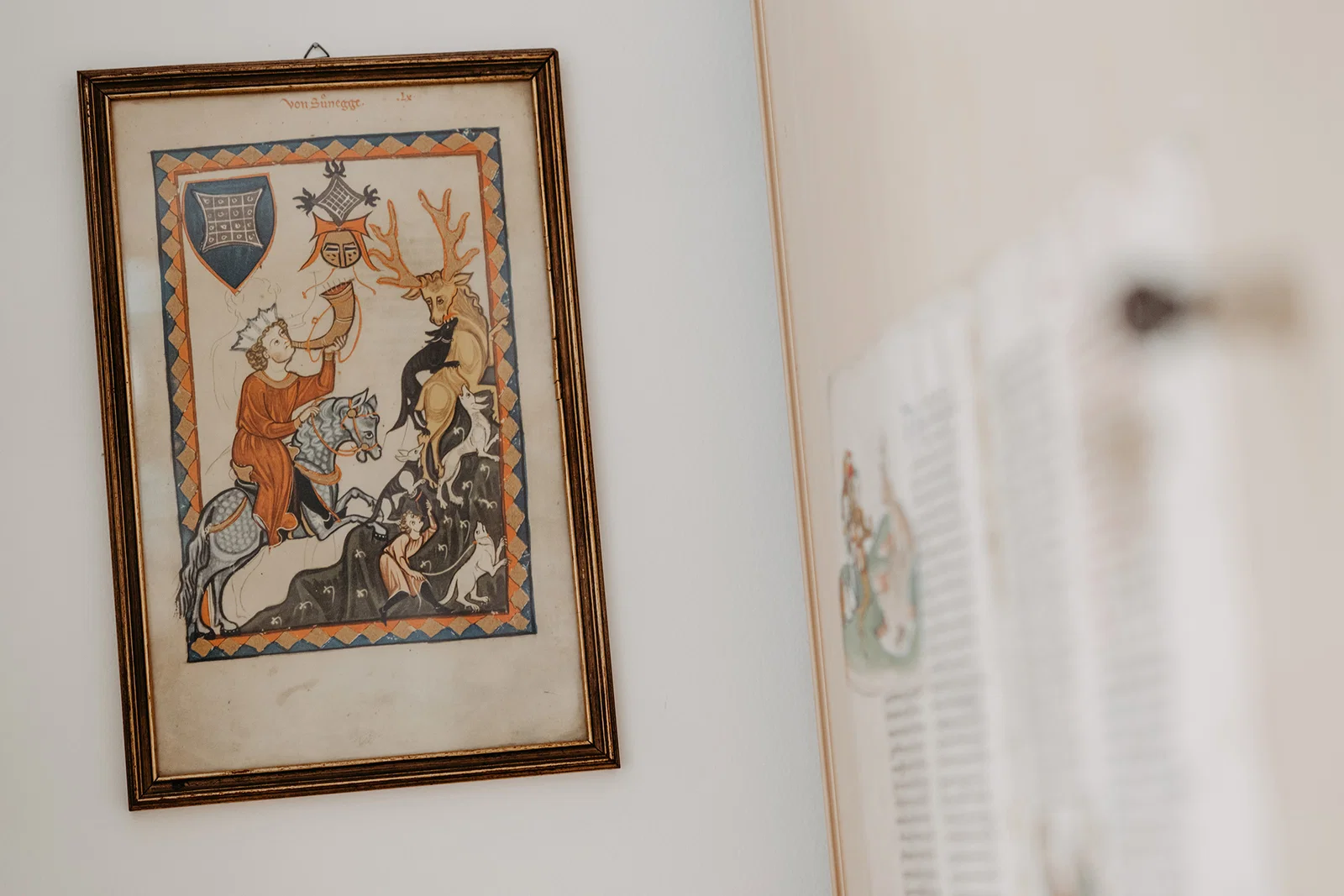
In medieval literature, images of nature were often used as metaphors for love and desire. Explicitly erotic texts are rare; authors used animals, plants or fruits to express sexual allusions indirectly. For example, an Old High German marginal note with the question ‘uuildu noh hinta?’ (‘Do you want more, Hinde?’) to a possible erotic invitation. In Kürenberger's Falkenlied (Falcon Song), love is also described using hunting imagery: the falcon symbolises a beloved person who is not easily bound. ‘The connection between love, hunting and falconry is central to this,’ explains medievalist Brigitte Spreitzer-Fleck.
Alongside her, two other Germanists are working on similar spicy topics. ‘It is no coincidence that we associate affection with flowers,’ emphasises Isabella Managò, because plants and fruits also have erotic meanings. According to Julia Zimmermann, such images follow ‘recurring patterns and models from antiquity’ and continue to have an effect in today's symbolic languages such as emojis.

Pointed and provocative
The cabaret scene in Austria and Germany is flourishing, especially in times of crisis. But what exactly makes us laugh? Which topics are currently relevant? And what is it acceptable to joke about?
What people find amusing and what jokes they recognise as such depends, among other things, on age, gender, milieu and cultural background, reports Germanist Mario Huber. However, he regrets that the comic tradition is not so pronounced in German-language literature. "Apart from cabaret, we have television series and carnival, none of which are considered high culture. This apparently discourages authors from writing funny texts,‘ Huber speculates. Which is unfortunate, because ’humour certainly lightens the mood and can provide food for thought. Laughing together – with someone, not at someone – connects people and promotes social cohesion."
To the Unizeit article (2025)